Spedizioni gratuite in tutto il mondo!


Clinching: A Mechanical Joining Technique for Sheet Metals

Sheet metal clinching
Clinching, from the English clinching, is an innovative process for cold joining (often also known as cold welding) of sheet metal, without assembly components.
Sheet metal clinching is based on the plastic deformation of the metal sheets to be joined. The joining is achieved through the interaction between a punch and a die without the addition of filler material.
The punch and die of each clinching tool, by compressing the sheet metal with a predetermined force that allows the punch to penetrate into it, form a button that constitutes the junction “point” whose shape depends on the geometry of the tools.
This occurs through cold plastic deformation of the materials, which can be with or without coating.
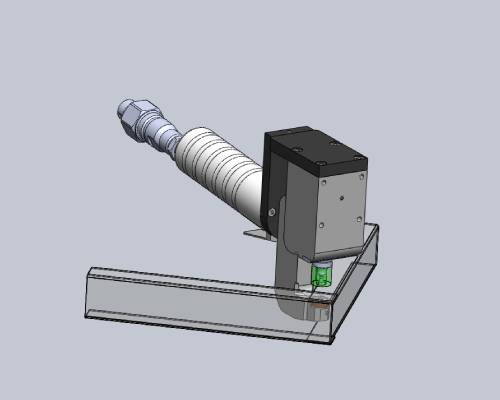
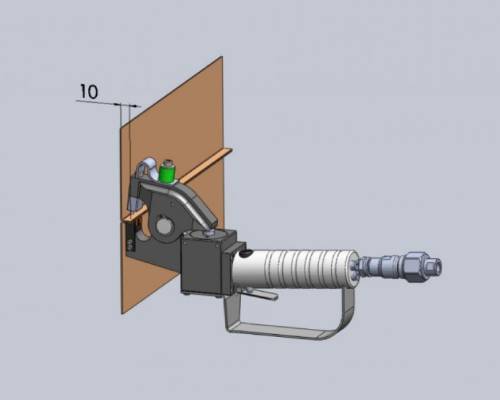
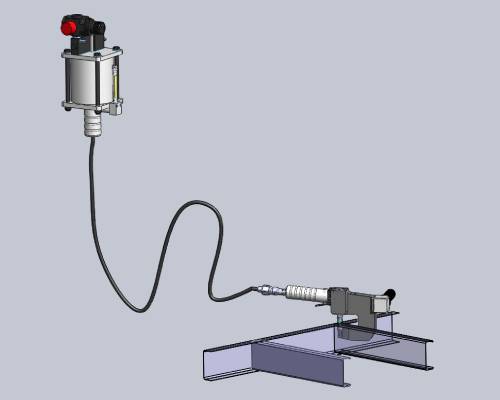
Applications
Clinching equipment can be used in the automotive, electronics, household appliance, and technological device industries, ensuring consistently high performance, regardless of the material being joined. In these sectors, clinching can effectively replace spot welding, introducing advanced technological processes into production and optimizing the welding process, reducing energy expenditure and significantly reducing the risk of damage. LEARN MORE
Benefits
You’ll be surprised by how easy any of our clinching machines are to use and how simple they can be incorporated into any production process. They run exclusively on compressed air and are easily automated. LEARN MORE
Control
The quality and effectiveness of the sheet metal joining achieved with our equipment are easily monitored. Simply use a caliper to check the size of the spot created and compare it with the specifications in our use and maintenance manual. LEARN MORE
Clinching: the clinching process
Sheet metal clinching is based on the plastic deformation of the metal sheets to be joined. The joining is achieved through the interaction between a punch and a die without the addition of filler material.
The punch and die of each clinching tool, by compressing the sheets with a predetermined force sufficient to allow the punch to penetrate them, form a button that constitutes the joining point, the shape of which depends on the geometry of the tools.
This occurs through cold plastic deformation of the materials, which can be coated or uncoated.
Jurado Tools’ innovative clinching systems provide multiple joint “points” to cover the widest range of industrial sectors where clinching is used.
Clinching equipment can be used in the automotive, electronics, household appliance, and technological device industries, ensuring consistently high performance, regardless of the material being joined. In these sectors, clinching can effectively replace spot welding, introducing advanced technological processes into production and optimizing the welding process, reducing energy consumption and significantly reducing the risk of damage.
Clinching can be used to join sheet metal made of various materials, such as aluminum, stainless steel, copper, and alloys in general. Metals with coated surfaces, such as galvanized, plastic-coated, and pre-painted sheet metal, can also be clinched. Clinching cannot be performed on plastic.
Jurado Clinching Tools manufactures various types of clinching machines, depending on the application. Equipment is also custom-built upon request.
Operating principle (point types)
This is what clinching technology involves: the sheet metal compressed between the punch and die deforms, forcing the metal material to extrude laterally until the button is formed. The “dot” can be trapezoidal or round. Each type of dot is created with a specific punch and die, corresponding to the geometric shape to be obtained through clinching.

Round stitch: the round stitch allows for the creation of a watertight joint, with uniform resistance to stress in all directions and with a high aesthetic quality.

Trapezoidal stitch: the trapezoidal stitch allows you to join even low-ductility sheet metal such as stainless steel, and can also be used to join more than two sheets of sheet metal.
Clinching of metal sheets (aluminum, stainless steel, copper, alloys)
The high reliability of Jurado Clinching Tools systems allows the clinching process to be introduced into production lines in many industrial sectors where sheet metal is joined, thus replacing less technologically advanced processes that are more costly, energy-intensive, safe, and environmentally responsible.
Metal clinching machines are currently used primarily in the engineering and industrial sectors of household appliance and device manufacturing, especially in processes that require joining thin flat metal sheets or tubes. However, clinching is a rapidly growing technological process, with future applications of clinching in industrial sectors also expected in various automotive sectors, from steel mills to transportation sectors such as railways and shipbuilding. Therefore, the clinching system could also be used in the future to join thicker metals.
Metal clinching is an extremely reliable process, with results that were unthinkable just a few years ago. Thanks to years of technological research, it is now possible to join two or more metal sheets without heat or flames, simply by applying pressure to the metal with clinching pliers consisting of a die and a punch. The shape of the die and the pressure applied are two crucial factors in clinching, as they are responsible for the solid and permanent bond between the metals.
Clinching is a cold plastic deformation process of sheet metal that creates a groove between two or more sheets of metal, even of different materials and thicknesses. Generally, sheet metal clinching is performed with materials such as aluminum, stainless steel, copper, and metal alloys. As mentioned, Jurado Tools manufactures specialized machinery for clinching any type of sheet metal, including those with a coated outer surface, such as galvanized, plastic-coated, and pre-painted sheet metal. Clinching is effective and completely reliable even with these materials.
This is definitely a huge advantage, since pre-painted or otherwise coated metal sheets are commonly used in the appliance industry. And being able to join multiple sheets of metal without damaging their surfaces is a benefit that really can’t be overlooked.